Matcha vs. Coffee: What Is the Difference?
Matcha or coffee? For many people, at least one of them is part of their daily routine. One comes from the coffee bean, the other from the green tea leaf. Both naturally contain caffeine — and yet they differ in taste, preparation and ritual.¹ ³
But is matcha really “better” than coffee?
Not necessarily. It is simply different.
This article explains the most important differences between matcha and coffee — simple and clear.
Table of Contents
- What is matcha?
- What is coffee?
- Matcha vs. coffee: the key differences
- How much caffeine is in matcha and coffee?
- Taste and preparation
- Matcha instead of coffee?
- The matcha ritual
- Conclusion
- Sources
What is matcha?
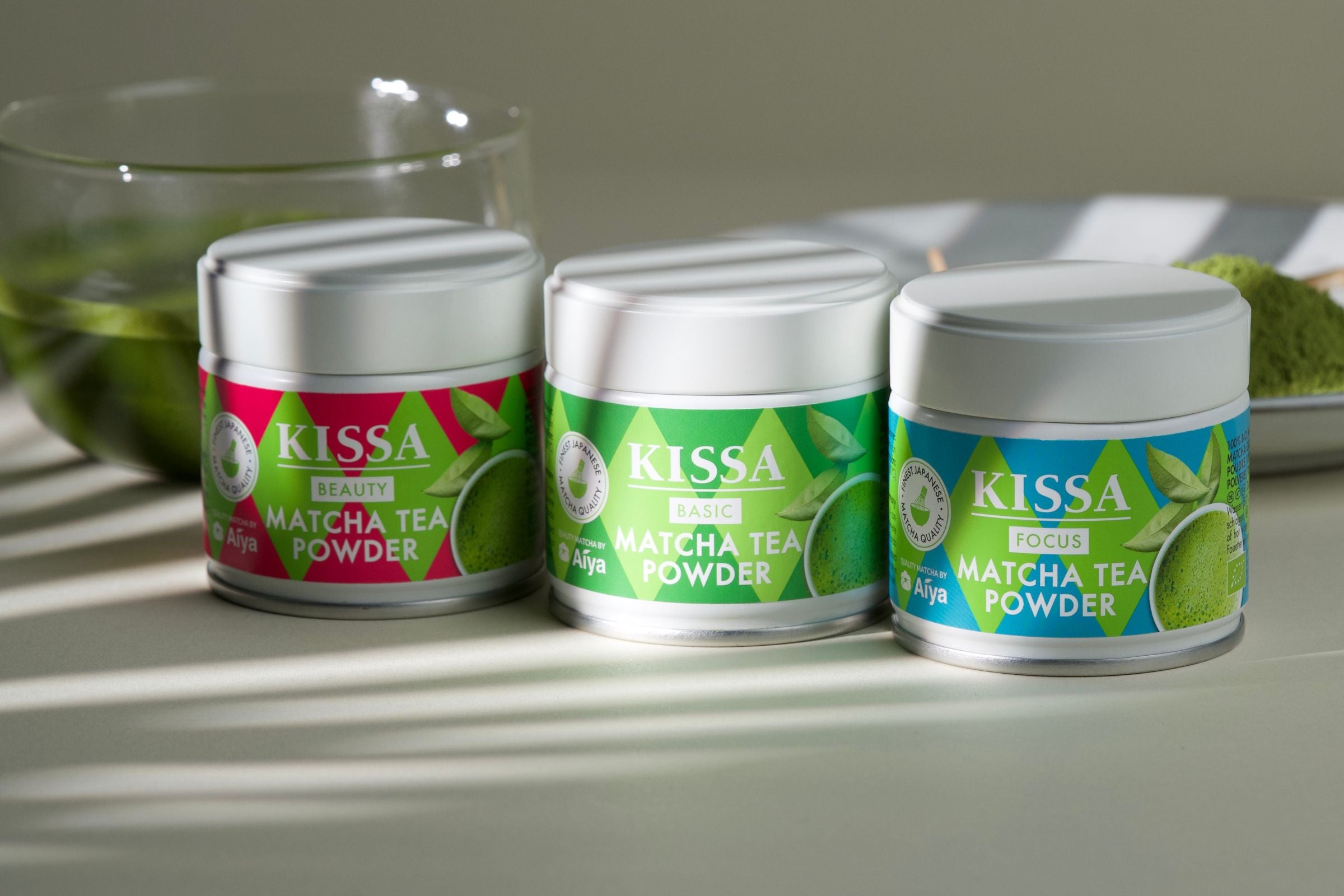
Matcha is finely ground green tea. Unlike classic brewed tea, matcha is not steeped and then removed. The green powder is whisked directly into water or used in drinks and recipes.¹
Matcha naturally contains different components of the green tea leaf, including caffeine, L-theanine, catechins, chlorophyll and other plant compounds.¹ The exact composition can vary depending on variety, cultivation, processing, storage and preparation.² ⁴
Matcha is especially known for its vibrant green colour, finely bitter taste and traditional preparation with a bamboo whisk.
What is coffee?
Coffee is made from roasted coffee beans and is usually enjoyed as filter coffee, espresso, cappuccino, latte or iced coffee.
Coffee also naturally contains caffeine. Caffeine occurs naturally in coffee beans, tea leaves, cocoa beans, guarana berries and kola nuts.³
Coffee is known for its strong aroma, roasted notes and many different preparation styles — from black coffee to creamy lattes, hot or iced.
Matcha vs. coffee: the key differences
| Matcha | Coffee |
|---|---|
| finely ground green tea | drink made from roasted coffee beans |
| vibrant green colour | brown to dark brown colour |
| finely bitter, slightly grassy taste | strong, roasted, often bitter taste |
| whisked with water | brewed, extracted or filtered |
| popular for matcha latte, iced matcha and recipes | popular for espresso, cappuccino, latte and filter coffee |
| often prepared with a bamboo whisk | usually prepared with a machine, filter or portafilter |
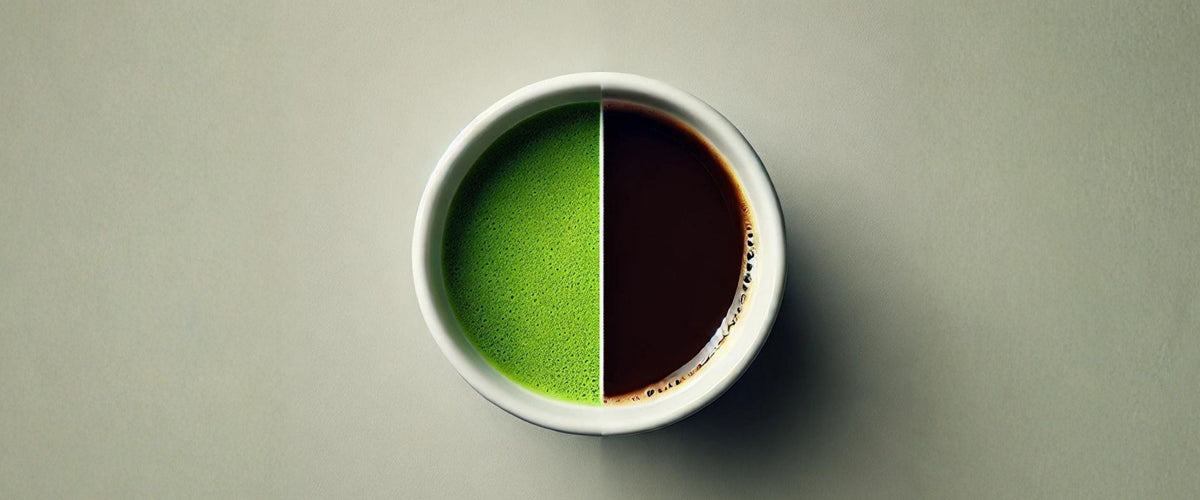
Both drinks have their own character. Coffee is shaped by roasting, beans and brewing method. Matcha is shaped by the tea leaf, processing, colour and the special moment of preparation.
How much caffeine is in matcha and coffee?
Both matcha and coffee naturally contain caffeine.¹ ³ The exact amount can vary depending on product, variety, preparation method and serving size.
As a general reference, EFSA lists around 90 mg of caffeine for a 200 ml cup of filter coffee and around 80 mg for a 60 ml espresso.³ For matcha, the caffeine content mainly depends on how much powder is used. Based on a serving of around 2 g matcha and a caffeine content of 32.7 mg per gram, one serving contains around 65 mg of caffeine.⁵
| Drink | Example serving | Caffeine, approx. |
|---|---|---|
| Filter coffee | 200 ml | 90 mg |
| Espresso | 60 ml | 80 mg |
| Matcha | 2 g powder | 65 mg |
These values are general reference points. The actual caffeine content can vary depending on the recipe, dosage and preparation.
Taste and preparation
The biggest difference between matcha and coffee lies in the experience.
Coffee brings roasted notes, depth and a familiar bitterness. Matcha tastes finely bitter, full-bodied and, depending on the variety, slightly grassy or creamy.
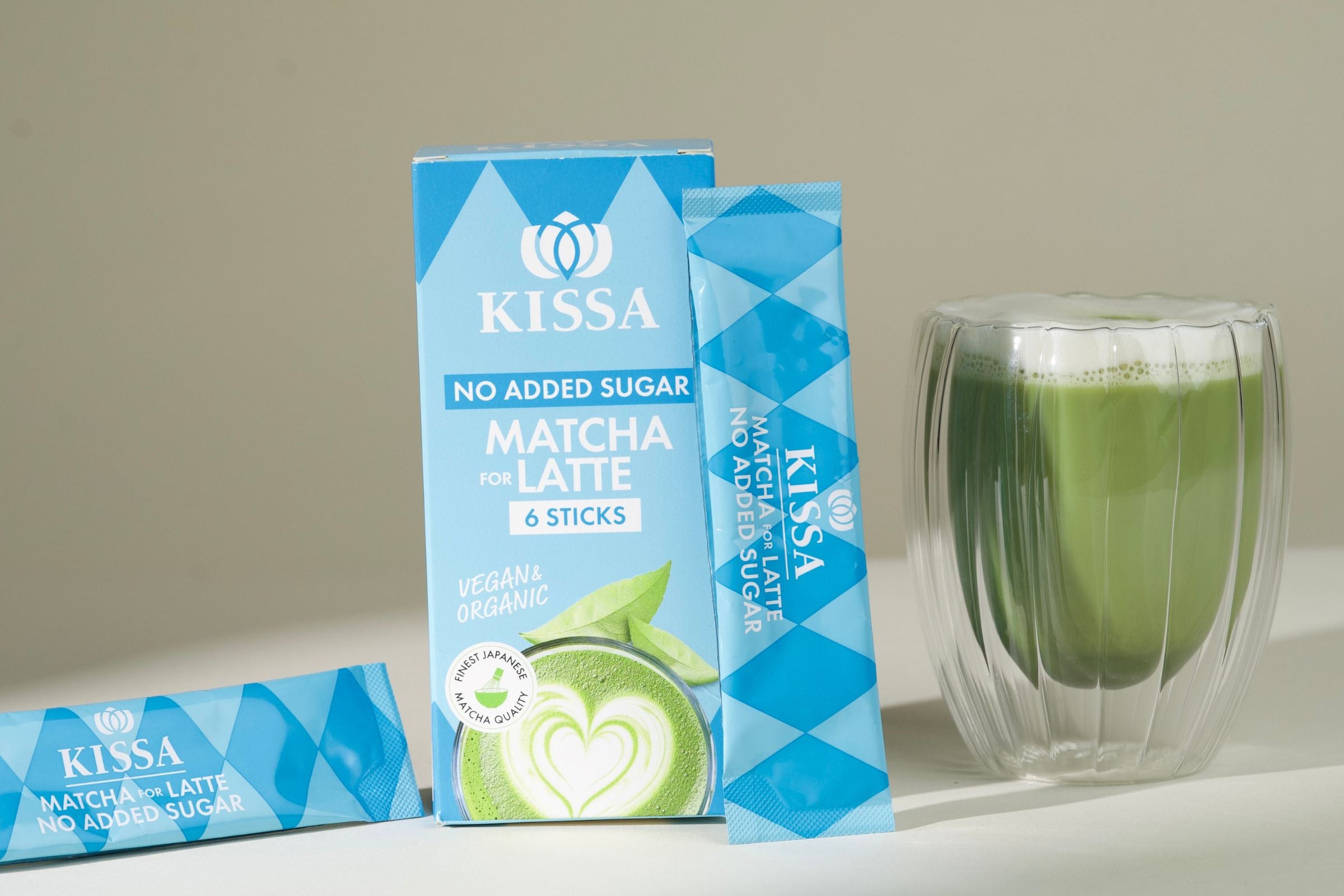
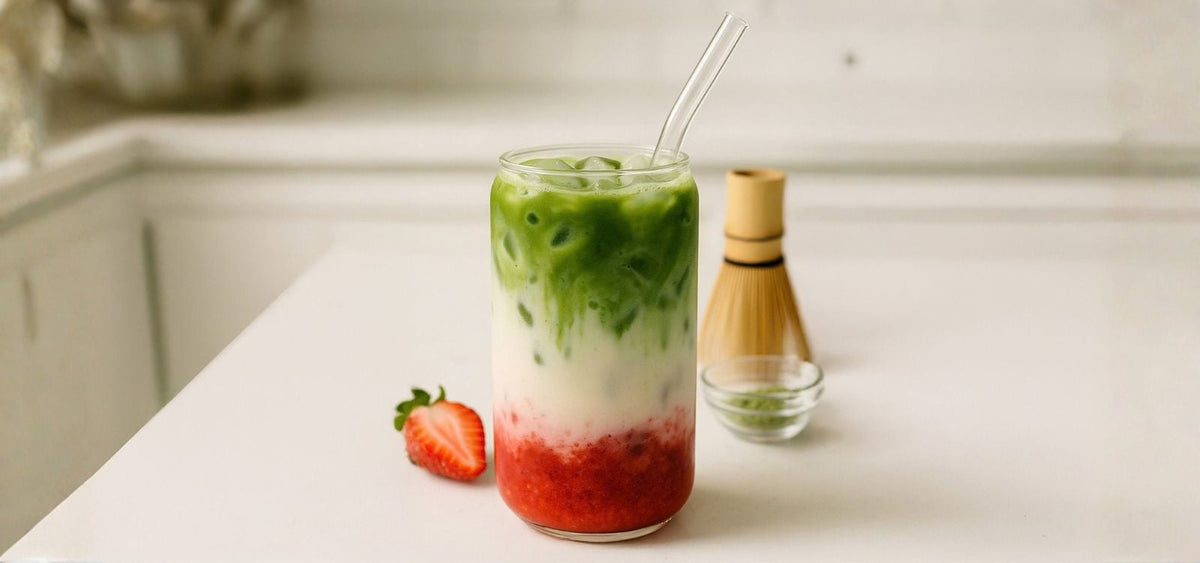
The preparation is different, too: matcha is mixed or whisked with a little water. It can then be enjoyed pure or combined with milk or a plant-based drink.
Popular matcha ideas include:
- classic matcha with water
- matcha latte
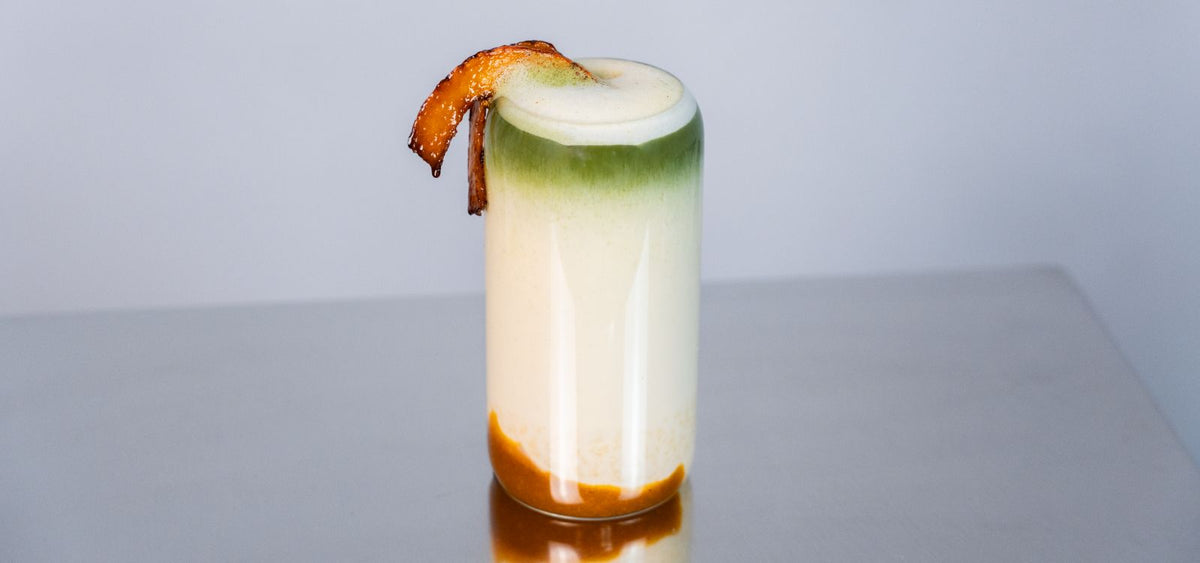
- iced matcha latte
- matcha with a plant-based drink
- matcha smoothie
- matcha desserts
- matcha cookies or cake
Matcha instead of coffee?
Matcha can be a lovely alternative to coffee — especially when you feel like trying a different flavour profile, a new preparation style or a green latte moment.
Instead of saying “matcha is better than coffee”, it is better to say:
Matcha is different from coffee.
Different in taste.
Different in preparation.
Different in ritual.
For some, coffee remains the classic. For others, matcha becomes a new favourite routine. And sometimes, both are exactly right.
The matcha ritual
Besides taste and colour, the ritual is an important part of matcha.
The powder is portioned, mixed with water, whisked with a bamboo whisk and then enjoyed pure or as a latte. These recurring steps turn a drink into a small moment in everyday life.
Rituals themselves are also a topic in research. They are described as structured, recurring actions that are studied from psychological, social and cultural perspectives.⁶
Maybe that is part of matcha’s special appeal: the vibrant green colour, the whisking, the creamy texture and the first sip.
Conclusion
Matcha and coffee do not have to compete with each other. Both drinks have their own world: coffee with beans, roasting and strong aroma. Matcha with tea leaves, vibrant green colour, finely bitter taste and special preparation.
If you love coffee, you do not have to replace it. If you feel like trying something different, matcha is a green alternative for lattes, iced drinks and creative recipes.
In the end, it is not about which drink is “better”.
It is about which moment feels right for you.
Sources
¹ Kochman, J., Jakubczyk, K., Antoniewicz, J., Mruk, H., & Janda, K. (2021). Health Benefits and Chemical Composition of Matcha Green Tea: A Review. Molecules, 26(1), 85. doi: 10.3390/molecules26010085
² Chen, X., Ye, K., Xu, Y., Zhao, Y., & Zhao, D. (2022). Effect of Shading on the Morphological, Physiological, and Biochemical Characteristics as Well as the Transcriptome of Matcha Green Tea. International Journal of Molecular Sciences, 23(22), 14169. doi: 10.3390/ijms232214169
³ EFSA. Caffeine. European Food Safety Authority. Accessed: 2026.
⁴ Meyer, B. R., White, H. M., McCormack, J. D., & Niemeyer, E. D. (2023). Catechin Composition, Phenolic Content, and Antioxidant Properties of Commercially-Available Bagged, Gunpowder, and Matcha Green Teas. Plant Foods for Human Nutrition, 78, 662–669. doi: 10.1007/s11130-023-01121-2
⁵ KISSA / AIYA Europe internal product analysis: caffeine content in matcha, 32.7 mg/g.
⁶ Hobson, N. M., Schroeder, J., Risen, J. L., Xygalatas, D., & Inzlicht, M. (2018). The Psychology of Rituals: An Integrative Review and Process-Based Framework. Personality and Social Psychology Review, 22(3), 260–284. doi: 10.1177/1088868317734944